A gentle guide from Passing Paws
How Do I Know
When It’s Time?
There is no perfect moment — only a loving decision. Here is a gentle way to think it through, and a calm voice to call if you need one.
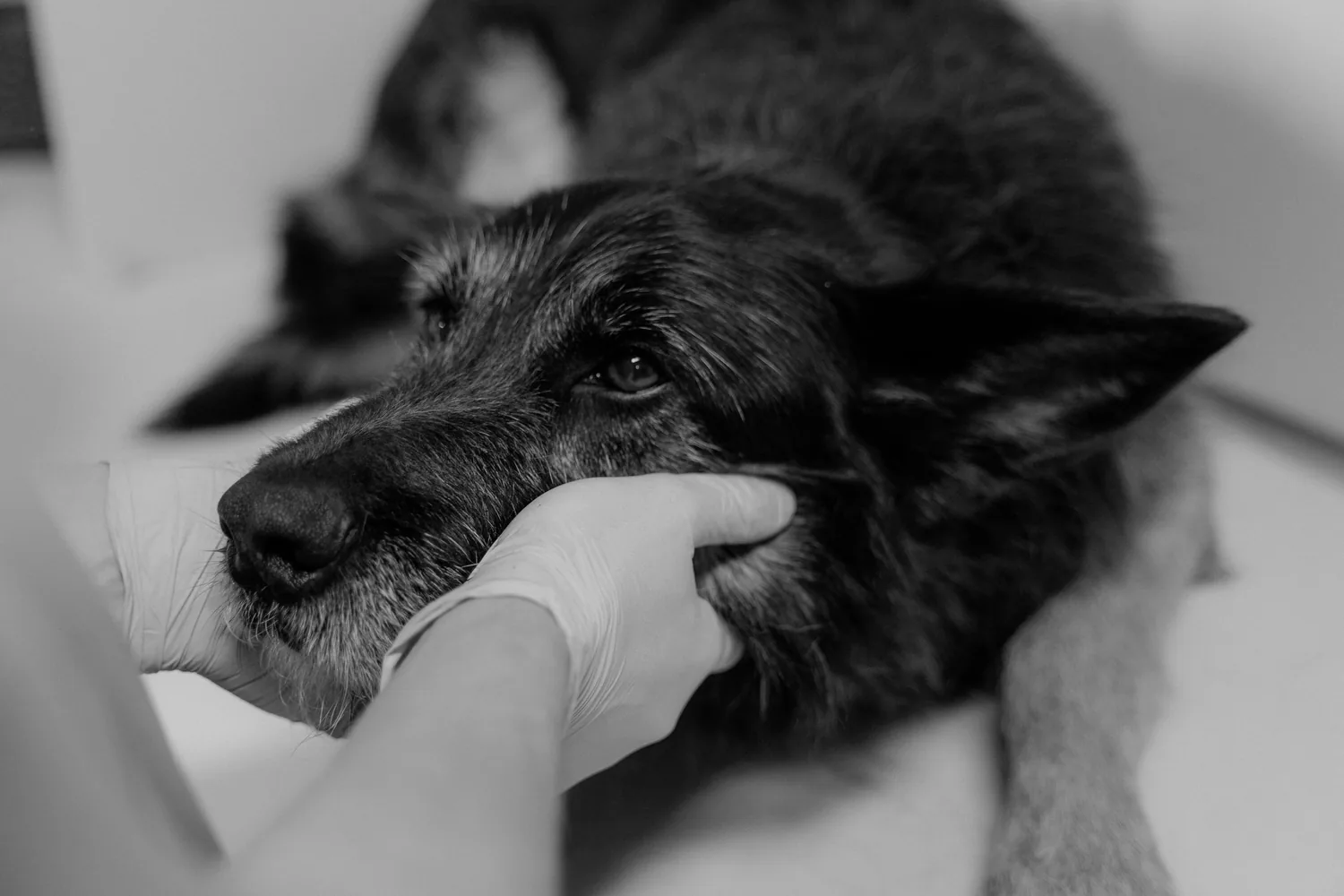
only a loving decision
Area
Serving all of Los Angeles County
Arrival
Typically at your door within 2 hours
Hours
Phones answered 8am–8pm, every day
The kindest choice
Choosing to let go is love, not betrayal
Deciding to end a beloved pet’s suffering is one of the most loving choices you will ever make. Our pets can’t tell us when they’ve had enough, so this last kindness falls to us. Almost every family who has faced it worries they’ll choose too soon or wait too long.
That worry is how much you love them, showing itself.
This page won’t make the decision for you — nothing can. But it can offer some gentle, widely used ways of looking at what your pet is going through, so the choice feels like an answer you arrived at together.
A quiet way to look clearly
What is a quality-of-life scale?
A quality-of-life scale is a short list of honest questions about your pet’s daily comfort and happiness, designed to help you see clearly when your heart is standing too close. Veterinarians often use a version of this idea, and you can use the same lenses at home.
Pain
Does your pet seem comfortable most of the day, or are there signs of hurting that medication no longer eases?
Appetite
Are they still eating, or has food lost its pull, even favorite treats?
Drinking
Can they stay hydrated without help?
Hygiene
Can they keep themselves clean, or do accidents and matting distress them?
Joy
Do their eyes still light up for the leash, the window bird, the sound of your keys?
Mobility
Can they stand, walk, and reach their bed, bowl, or litter box without struggle?
Good days
Do the good days still outnumber the bad ones? This single lens is often the kindest measuring stick of all.
None of this is veterinary advice — it’s simply a way to organize what you’re already seeing, so you can bring a clearer picture to your vet.
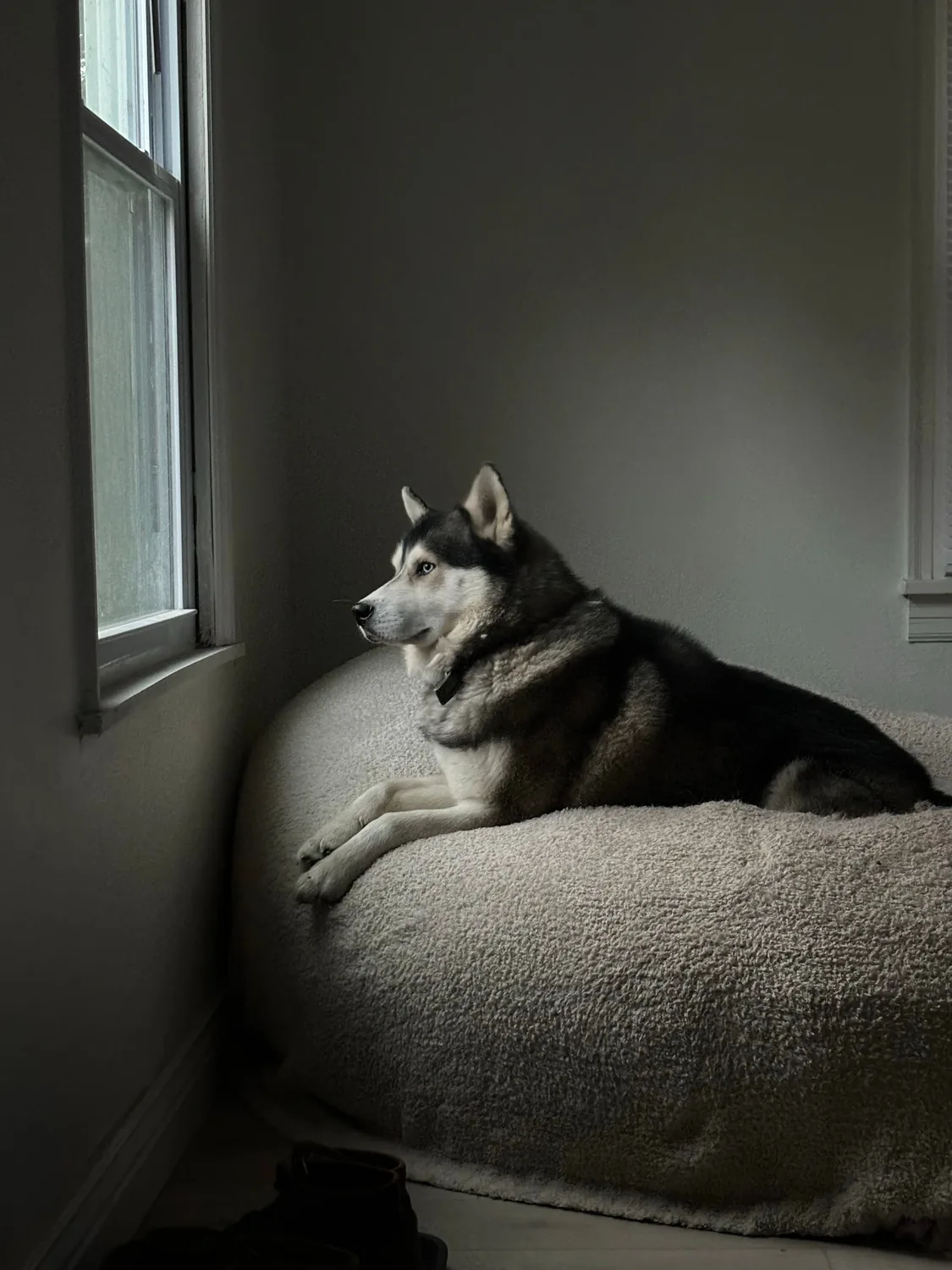
The kindest measuring stick
Are there more bad days than good?
This single question is often the kindest measuring stick of all: when the bad days begin to outnumber the good, many veterinarians suggest this is the moment to start a serious conversation with your vet about what comes next.
Memory blurs when we’re grieving in advance, so try marking a calendar each evening — a check for a good day, an X for a hard one. After two or three weeks, the pattern speaks honestly, even when our hearts want to argue with it. A good day doesn’t have to mean a great one; it means your pet ate, rested comfortably, and had at least one small moment of being themselves.
The medical side of the question
Should I talk to my veterinarian?
Yes — always, and as early as you can. Your vet can tell you things no checklist can: whether the pain can still be managed, whether an illness has more road left than it seems, and what the coming weeks are likely to look like.
Many vets will walk through a quality-of-life assessment with you and share their honest read. You don’t have to wait for a crisis to have this conversation, and asking the question doesn’t commit you to anything.
Your veterinarian is always the right person for the medical side of the question — most are glad to discuss quality of life before anything is decided.
Grief that arrives early
What is anticipatory grief?
Anticipatory grief is mourning that begins before your pet is gone — and it is completely normal. If you’ve caught yourself crying while they sleep beside you, or grieving a walk you suspect may be one of the last, that’s your heart preparing.
Some people find it helps to start saying goodbye in small ways: extra treats, favorite spots, photos of ordinary moments.
Whatever this looks like for you, it counts.
We’ve gathered more support at pet loss resources, including what grief tends to feel like and where to find someone to talk to.
A gentle option, if you choose it
How does in-home euthanasia work, if you choose it?
When a family decides the time has come, in-home euthanasia lets a pet fall asleep in their own favorite spot — no car ride, no waiting room, just the people they love nearby. In our area this is provided by Saving Grace Veterinary Services, a separate licensed veterinary practice we work closely with; the veterinarian moves entirely at your family’s pace.
You can read exactly what to expect, including cost, at in-home pet euthanasia. And if your pet passes at home on their own, when your pet dies at home walks you gently through those first hours.
Saving Grace · a separate licensed practice
You’re not alone in this
You don’t have to decide alone
You can call us at (626) 340-0000 just to talk — no decisions required, no pressure, ever. We’re a small Glendale team, and we’ve sat with this question alongside many families; sometimes saying it out loud to a calm voice is what helps most. We answer 8am to 8pm, every day of the week. Whatever you decide, and whenever you decide it, you and your pet will be met with patience.
The questions every family asks
A few honest answers
How do I know when it’s time to euthanize my dog?
What is a quality of life scale for pets?
Is it better to euthanize at home?
Is it normal to grieve before my pet passes?
Can I call someone just to talk it through?
Available Across Los Angeles
We Come to You
Home pickup in every community we serve — choose your city for local details.
When You’re Ready, We’re Here
We answer 8am to 8pm, every day. We’ll listen, explain your options, and come to you — typically within 2 hours. No decisions required, no pressure, ever.