A gentle guide from Passing Paws
What to Do With
Your Pet’s Ashes
There’s no deadline and no wrong answer. Here are the choices families make most often — and what California asks you to check first.
no wrong answer
Area
Serving all of Los Angeles County
Arrival
Typically at your door within 2 hours
Hours
Phones answered 8am–8pm, every day
No deadline, ever
There’s no rush to decide
You don’t have to decide what to do with your pet’s ashes right away — there is no deadline, and it’s completely okay to simply live with them for a while.
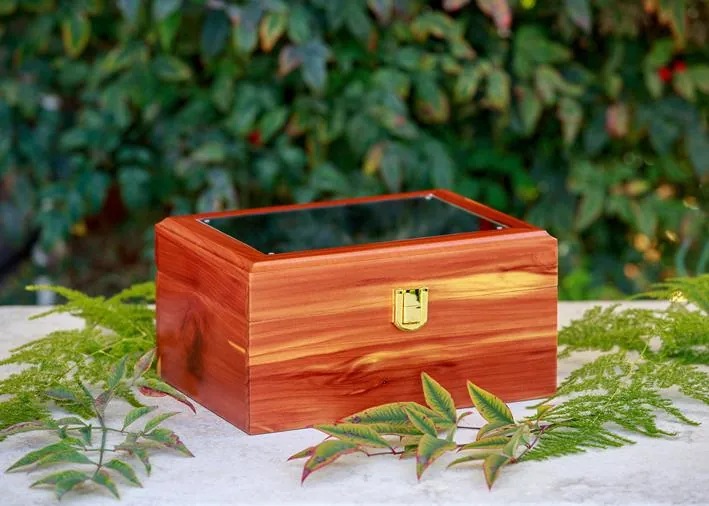
If your pet was cremated with us, their ashes come home in an aromatic cedar urn, hand-delivered by our team rather than shipped, typically two to three weeks after pickup. Many families tell us the decision becomes much clearer once the urn is home and the first hard days have passed. Whatever you eventually choose — keeping, scattering, burying, or a little of each — this guide walks through the options families choose most often and what California asks you to check first.
The most common choice
Keeping your pet’s ashes at home
Most families keep their pet’s ashes at home, and there is nothing unusual about it — for many people it is the most comforting choice.
Families often place the urn somewhere that already belonged to their pet: a mantel, a bookshelf near the sunny window they napped in, a quiet corner of the bedroom. Some pair the urn with a framed photo, a collar, or a paw print on its stand. And nothing about the choice is permanent — you can move the ashes to a different urn, a ceramic piece, or a photo urn any time you like.
Most families keep them homeScattering — the rule is permission
Can I scatter my pet’s ashes in California?
In many places, yes — the guiding rule is permission. On your own property, or on private land with the owner’s blessing, scattering is the simplest option.
Public lands are more of a patchwork. Many beaches, state parks, national forests, and trails allow scattering only under certain rules, and some don’t allow it at all — so before you make the trip, check with the agency that manages that particular land. A quick call almost always settles it. For scattering at sea, the federal practice for human ashes is to go beyond three nautical miles from shore, and boat charters commonly apply the same standard to pets — a charter company can tell you exactly what they follow.
A small practical note: choose a still morning, kneel low, and scatter with the wind at your back. It keeps the moment as gentle as you pictured it.
Backyard burial — check locally
Can I bury my pet in my backyard in California?
It depends on where you live — California largely leaves pet burial to city and county ordinance, and the rules vary widely from one town to the next.
Some cities allow home burial with conditions on depth and distance from water lines; others restrict it, and Los Angeles has its own specific rules that differ from neighboring cities. The honest answer is that we can’t tell you yes or no for your address — the reliable step is a quick call to your city or county code-enforcement or public-health office before you dig.
One helpful distinction: burying cremated ashes is a different, generally simpler question than burying a pet’s body, though it is still worth checking locally. A biodegradable urn buried in the garden, with a tree or rosebush planted above it, is a gentle middle path many families choose.
Something living
Memorial ideas families love
Some families fold the ashes into something living — a place or keepsake that grows and changes with the seasons.
- A garden stone or engraved marker over a favorite napping spot
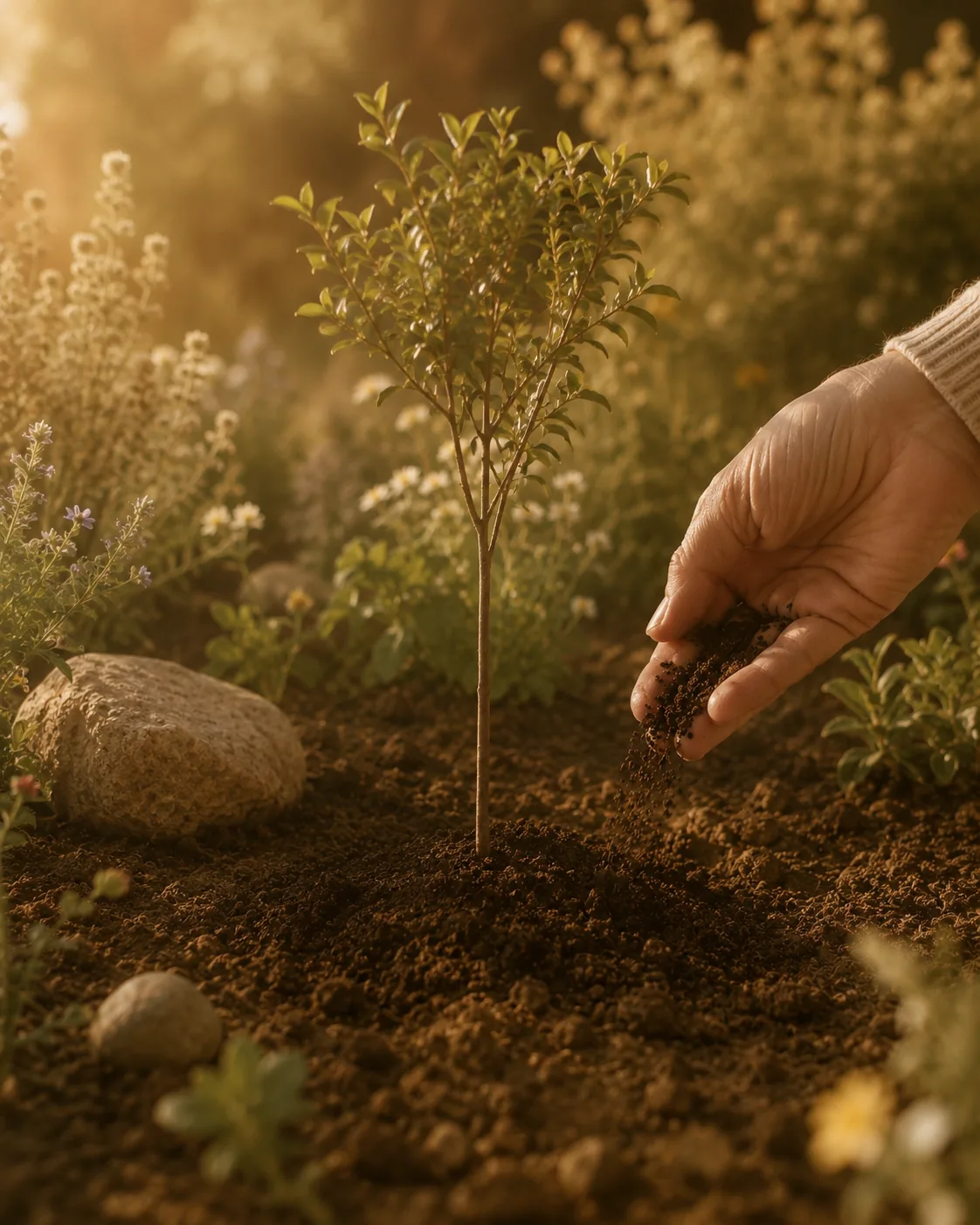
- A tree or rosebush planted over a biodegradable urn, so the place grows and changes with the seasons
- Memorial jewelry — a small, quiet way to keep them close
- A clay paw print displayed on its stand beside the urn
- A shadow box with their collar, tag, and a favorite photo
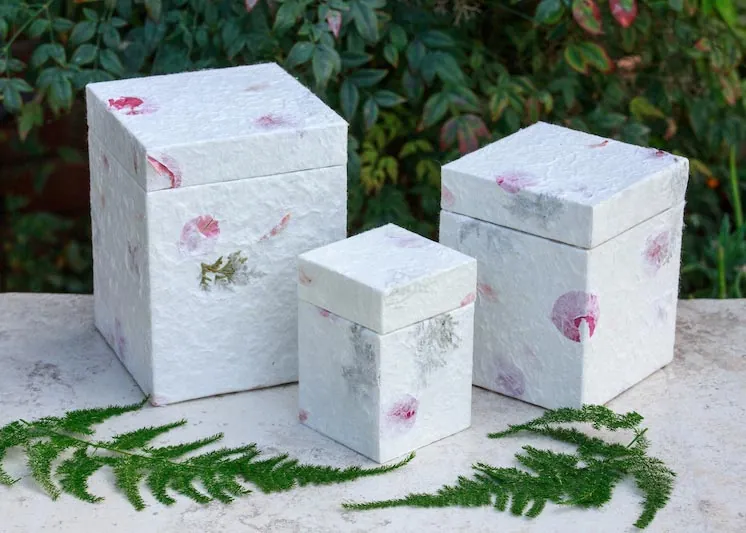
If you’d like to see options, our keepsakes — extra prints, urns, biodegradable urns, and memorial jewelry — are at keepsakes & urns.
Sharing them
Dividing ashes among family
Yes, you can divide your pet’s ashes among family members, and many families do — especially when a pet belonged to more than one household, or when grown children live far apart.
The usual approach is simple: the main urn stays in one home, and everyone else keeps a small portion in a keepsake urn of their own choosing. If you divide the ashes yourself, work slowly over a towel with a small spoon, unhurried. There is nothing disrespectful about sharing them — most families find it comforting that everyone who loved their pet keeps a part of them close.
Keepsake urns · one for each home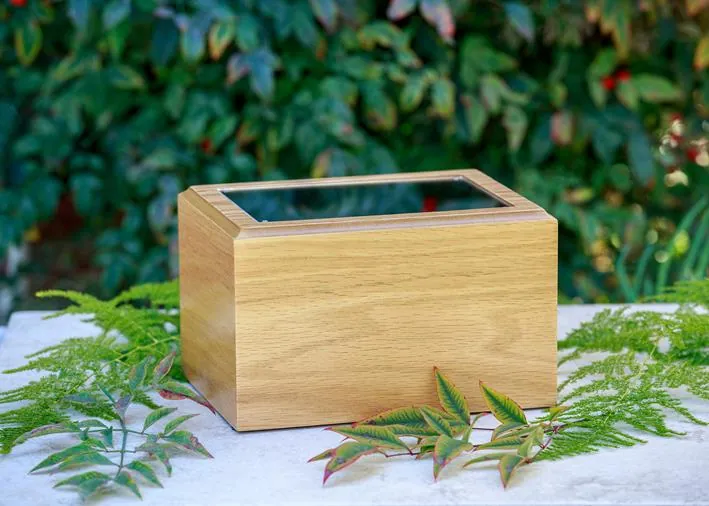
There’s no wrong pace
If you’re still deciding
It’s okay not to know yet — ashes keep indefinitely, so the decision can wait as long as you need.
If the grief itself feels heavy right now, pet loss resources gathers support lines and reading that many families have found steadying. And if you’d like to talk through urns, scattering, or keepsakes with a person, we’re at (626) 340-0000 from 8am to 8pm every day — no pressure, just help thinking it through. If you’re earlier in the process and comparing options, aquamation vs. cremation explains the difference in plain terms.
A few honest answers
Common Questions About Pet Ashes
Who do I ask before burying my pet or their ashes?
Where is it okay to scatter pet ashes?
What do people do with pet ashes?
How long can I keep my pet’s ashes before deciding?
Is it okay to divide my pet’s ashes among family members?
Available Across Los Angeles
We Come to You
Home pickup in every community we serve — choose your city for local details.
When You’re Ready, We’re Here
We answer 8am to 8pm, every day. We’ll listen, explain your options, and come to you — typically within 2 hours. No decisions required, no pressure, ever.